
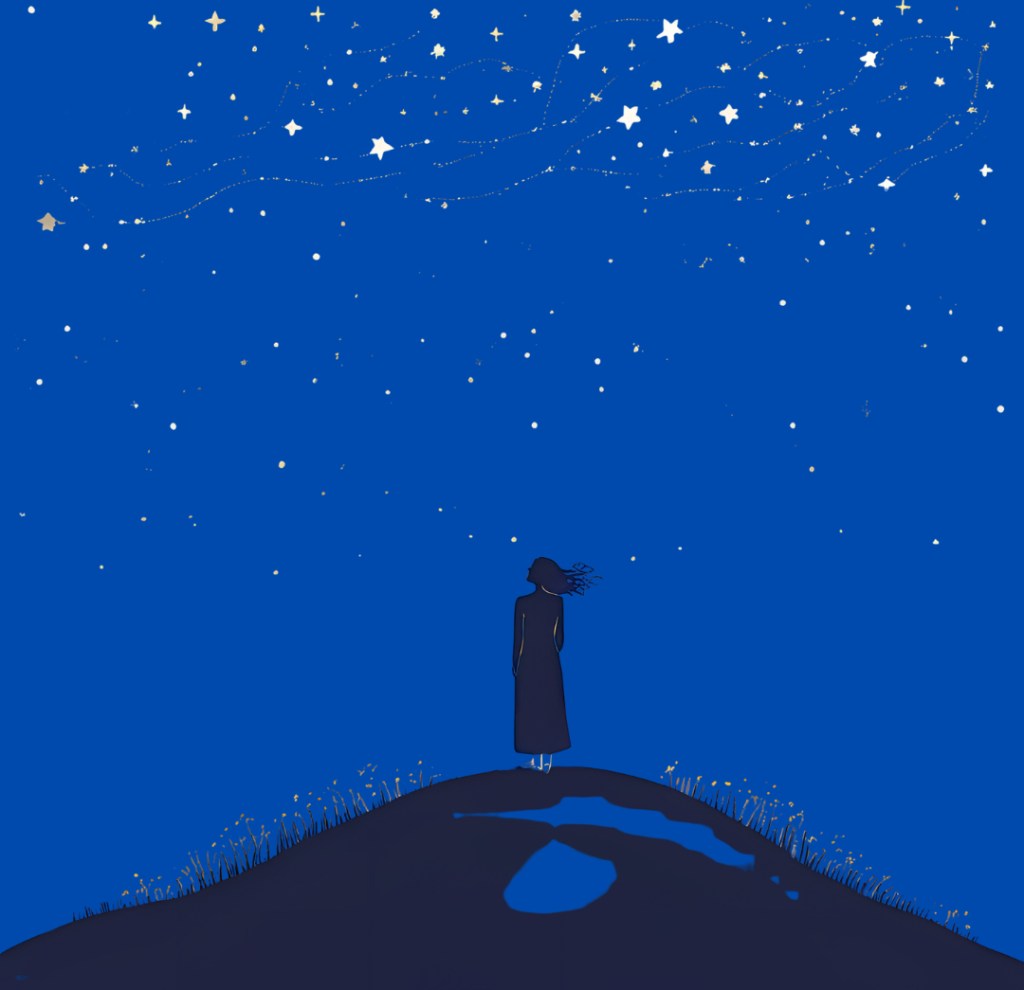
I’ve been feeling lost lately in a way that feels impossible to describe but universal in experience.
Day-to-day, I am content. I’m training to run a marathon, I laugh deeply at dinners with friends, I accept the circumstances of my life with gratitude, and some nights on the walk home from the subway, I sing and dance to my music with guttural joy.
And yet- I get this feeling that there’s all this potential inside me, all this meaning, that I’m sitting on, ignorant of how to tap in and unlock a higher level of life I can’t yet visualize.
I love the life I live, but I still yearn for more.
In my quest to make sense of this feeling, I’ve turned to the literature, I’ve meditated on my thoughts, and I’ve called on the women in my life who I consider “the experts” to solicit advice. The themes emerging from this investigation remain consistent across different sources: life is hard, find your passion, take time to discover who you are.
But how do I do that? And why is it so difficult?
In the past, my philosophy behind discovering myself followed a two-year cycle in which I moved to a new city, built a community, lived fully, celebrated the closing of the chapter, and moved on. The rationale was that maybe if I saw as much of the world as physically possible, I’d get to know myself in the process.
Coming up on the two-year anniversary of my move to New York, I have no interest in leaving, and find the escapism logic of my youth troubling. I have an idea of what I want in my life, but find that every time I think I’ve got it completely figured out, the floor falls out from under me, typically through events beyond my control, but occasionally as a result of my own maladaptive behaviors.
One of the hardest parts of self-discovery is identifying the difference between things I truly want and things I expected myself to have by this time in my life. For example, do I want to be married right now, or did I just expect I would be married by now in the life I constructed for myself as a child?
For now, thoughtful self-reflection helps me to differentiate between these two extremes, but the process is arduous and requires a degree of vulnerability and truth that frightens me if I engage too often.
My conversations with “the experts” influence my line of thinking as well. The more I delve into the backgrounds of these women, whom I admire and respect, the more I realize how different each individual’s life path and experience are. Each story presents new pieces of wisdom and perspective that broaden my own understanding of how to live.
There does not, however, appear to be any distinct structure to the narratives of the women I talk to or the literature I read. There is, of course, a story arc, the rising and falling action of their young lives, and the conclusion that everything worked out the way it was meant to be. But each character’s experiences shape them so personally that no two people I’ve read about or spoken to have the same perspective on how to answer these questions or pursue self-discovery.
As a person who loves rules and following a step-by-step guidebook to obtain rewards, this felt disappointing, but not necessarily shocking. If there was a definitive instruction manual on how to live the life you want, I suppose everyone would already have a copy.
The comfort then lies within the fact that if all these literary heroes and real-life women found a way to make their lives work for them, then ultimately, I will too. If I want to find out what more means in the context of my life, I need to lean into the feeling of being “lost” and explore the drivers behind this emotion. This is an extremely uncomfortable exercise, but how do we grow and form into the best versions of ourselves if we stay comfortable all the time?
This draws us back to the first theme of the investigation: life is hard. With the caveat that life is also joyful, frustrating, painstakingly beautiful, frightening, and an abundance of other adjectives as well. The way we respond to life’s difficulties ultimately defines our character and presents a small window into who we are. I have found the hard parts of life, including this “lost” period and the vulnerability self-discovery requires, to be the “right kind” of hard.
So, I’ll stay on this road and look inward, slowly discover my passions and get closer to the truth of who I am. If you’ve got book recommendations or guided meditations you use, drop them in the comments below. I’d love to gain some insight from a different perspective.





Leave a comment